Why Claims Volume Surges Test More Than Capacity
Claims volume does not rise on a convenient schedule. It builds during open enrollment, system transitions, regulatory shifts, and year-end backlog cycles, often before teams have enough time to adjust. For healthcare payers and TPAs, these spikes test more than staffing levels. They test the strength of the claims operation itself, from workflow design and resource planning to accuracy, turnaround time, and service-level performance.
How to Manage Peaks Without Losing Performance
The question is not whether the wave will come. It will. The real question is whether your operation can absorb the surge without letting quality, accuracy, or turnaround time slip. Managing claims volume peaks takes preparation, workflow discipline, automation, and access to scalable expertise when internal capacity reaches its limit.
Here’s how payer and TPA organizations can stay ahead of volume spikes while maintaining quality and performance.
- Anticipate the Swell with Predictive Insights
Inexperienced teams often wait until volume hits before they react. By that point, the backlog has already started to form. Predictive analytics help claims leaders identify volume surges earlier, whether they are seasonal, regulatory, or tied to system-driven events.
Use historical data and trend analysis to forecast high-volume periods before they disrupt operations. This gives your team time to align staffing, resources, and workflows before pressure builds, reducing last-minute scrambling and limiting avoidable delays.
2. Streamline Workflows to Cut Friction
When claims volumes spike, manual processes and outdated workflows create drag. Every unnecessary handoff, repeated task, and delayed routing decision adds pressure to the system. The goal is to simplify the path from intake to adjudication so claims can move with fewer interruptions.
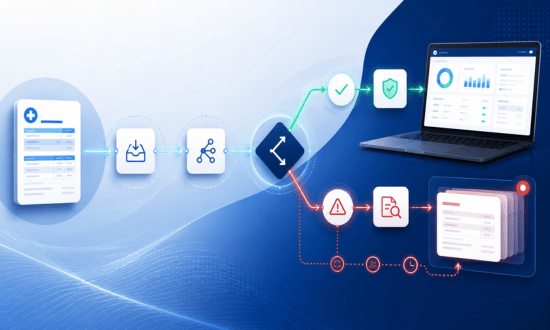
Identify and reduce repetitive, low-value tasks through automation, including triage, routing, and initial validation. For complex claims, prioritize workflows so high-impact cases receive attention first and do not sit behind lower-priority work.
3. Build a Flexible, Scalable Workforce
Claims peaks can overwhelm static teams, leading to errors, burnout, and missed deadlines. Flexibility matters because even strong internal teams can struggle when volume rises faster than capacity.
Partner with experienced healthcare business process teams to augment your workforce during surges. A scalable team gives you the capacity to manage volume spikes while maintaining accuracy and compliance with service-level agreements (SLAs).
4. Monitor Performance in Real Time
When claims volume rises, leaders need current visibility, not delayed reporting. Real-time performance monitoring helps teams identify emerging issues before they affect turnaround time, accuracy, or backlog control.
Use real-time dashboards to track KPIs such as claims turnaround time, error rates, and backlog status. Early visibility gives leaders the agility to reallocate resources, address bottlenecks, and keep performance steady while volume continues moving through the system.
Keep Your Claims Operation on Top
Claims volume surges are inevitable, but they do not have to disrupt performance. With the right mix of preparation, streamlined workflows, automation, and scalable expertise, payer and TPA organizations can stay in control even when demand rises.
At MDI NetworX, we help payers and TPAs manage claims volume with greater confidence. From automation and workforce scalability to experienced claims processing support across claim types, we help operations teams manage peak volumes without compromising accuracy, turnaround time, or performance control.
Subscribe To MDI Focus
Signup for free and be the first to get notified on new updates.
Tags
Stay Connected